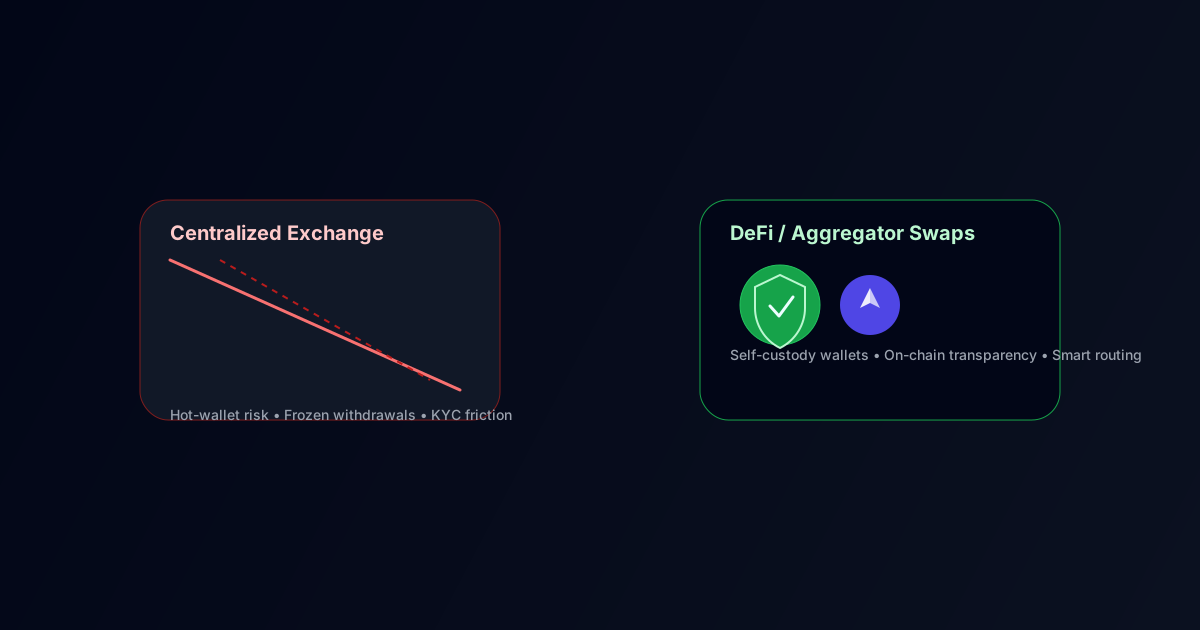
Every year, new headlines appear about centralized exchanges getting hacked and users losing funds. Recent incidents on major platforms have once again highlighted a simple truth: if you leave your Ethereum on someone else's exchange wallet, you're trusting their security.
That's why more traders are choosing to swap ETH using non‑custodial DeFi tools instead of keeping large balances on centralized exchanges (CEXs).
1. What Exchange Hacks Teach Ethereum Holders
When an exchange is compromised, withdrawals are often frozen, and investigations can take months. Even if users are eventually made whole, the opportunity cost and stress are enormous.
- Hot wallets are attractive targets for attackers.
- Insurance coverage is often limited or unclear.
- Legal outcomes can vary by jurisdiction.
You can review current centralized options on our Ethereum exchanges page and compare them to DeFi‑native routes.
2. Why DeFi Swaps Reduce Custody Risk
With DeFi, you connect a self‑custody wallet and sign a transaction that executes directly on the blockchain:
- Your ETH stays in your wallet until the moment of the swap.
- Smart contracts are transparent and can be audited.
- You can spread risk across multiple protocols instead of one exchange.
Aggregators like GhostSwap route your trade across multiple DEXs to find competitive pricing while keeping custody in your hands.
3. Practical Steps to Swap ETH More Safely
To reduce your exposure to centralized exchange risk:
- Use CEXs mainly as on/off ramps for fiat, not as long‑term ETH storage.
- Move funds into a self‑custody wallet after buying, then use DeFi for swaps.
- Start with small test swaps on new protocols before committing larger amounts.
Our How to Swap Ethereum guide walks through a safe workflow step by step.
4. Track Markets Without Parking Funds on Exchanges
You don't need to keep assets on a CEX just to watch the market. Use tools like the SwapEthereum markets page and external dashboards such as CoinGecko or CoinMarketCap to follow prices, then execute swaps from your own wallet when you're ready.